


Looking for speed bump installation Tampa property owners can count on for safer, more controlled traffic? Express Asphalt Solutions installs asphalt speed bumps for parking lots, residential communities, apartment complexes, school areas, and other paved properties throughout Tampa Bay. A properly planned speed bump can encourage drivers to slow down where pedestrians, parked vehicles, and frequent turning movements create added risk.
Speed control features are not one-size-fits-all. The location, height, width, pavement condition, drainage, traffic pattern, and type of vehicles using the area all matter. Our team can review your site, discuss the problem you want to solve, and recommend a practical approach for your property.

What Asphalt Speed Bump Installation Involves
Asphalt speed bump installation starts with a site assessment. Before work begins, it is important to identify where vehicles enter, where people walk, how traffic moves through the property, and whether there are sightline concerns. We also look at the existing asphalt surface and note any cracks, potholes, low areas, or edge damage that should be addressed before a new traffic-calming feature is added.
Next, the speed bump location and dimensions are planned for the property. A speed bump needs enough advance visibility for drivers to react, while its placement should support the intended traffic pattern. It should not block a driveway, interfere with a gate, create a pinch point, or sit where a vehicle has no reasonable way to slow down. The goal is to improve control, not create an unexpected obstacle.
Once the layout is established, the crew prepares the work area and places asphalt to form the bump. The material is shaped and compacted so it creates a durable raised surface with smooth transitions. Proper compaction and clean tie-ins to the surrounding pavement help the speed bump hold up to regular use and reduce the chance of loose material or premature breakdown.

Material Choice and Durability Matter
Asphalt is often a practical choice for speed bumps on asphalt pavement because it can be formed to fit the site and blended into the existing surface. The right material and installation method depend on expected traffic. A lightly traveled private drive has different needs than a busy apartment entrance, retail parking lot, or delivery route.
Heavy vehicles, frequent turns, standing water, and pavement that is already failing can all affect how a speed bump performs. If the asphalt below the planned location is weak or broken, placing a new bump over it may not solve the underlying problem. In some cases, localized patching or other surface preparation should be completed first. Discussing these details up front helps avoid a repair that looks good at first but does not match the condition of the pavement.
Drainage also deserves careful attention. A speed bump changes how water moves across a paved area, so it should not be placed in a way that traps water, sends runoff toward a building, or worsens an existing low spot. A site review helps identify drainage concerns before installation, which is much easier than trying to correct them after the fact.
Asphalt or Rubber Speed Bumps: Which Is Right for You?
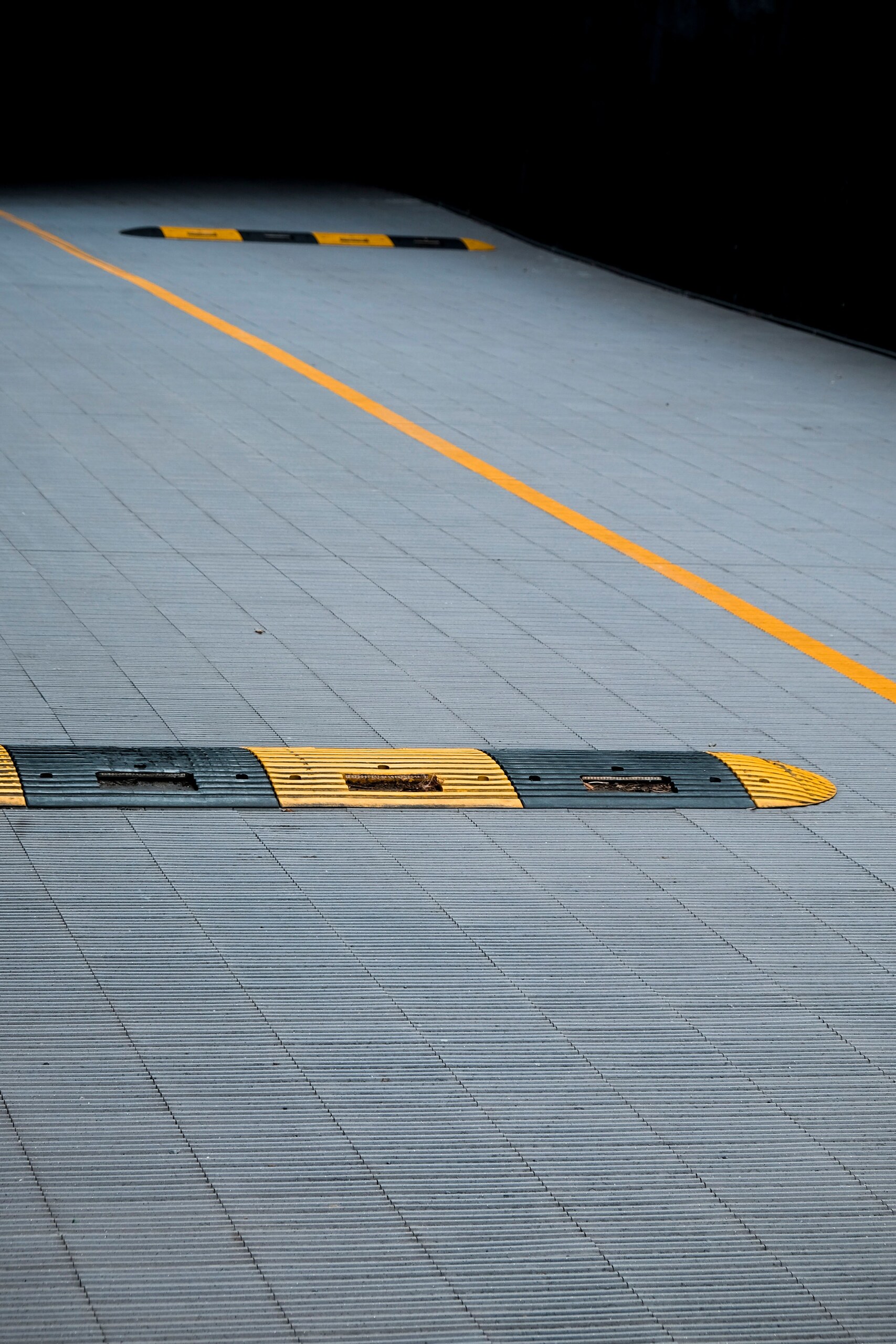
In addition to asphalt speed bumps, Express Asphalt Solutions also offers rubber speed bumps as an option. Rubber speed bumps are pre-formed rubber humps that are bolted or anchored down rather than paved in place, which often makes them a good fit for situations that call for a faster install, a removable or temporary setup, or lighter-duty use in smaller private lots. Asphalt speed bumps are typically the better choice for permanent installations, heavy or frequent traffic, and larger commercial properties where long-term durability matters most.
Speed Bump Striping and Reflective Markings
Visibility is a key part of a safe speed bump installation. Fresh striping, reflective paint, and appropriate pavement markings help drivers recognize the raised surface in daylight, at night, and during rainy weather. Depending on the site, the finished project may include painted markings on the bump, advance pavement warnings, directional arrows, or other traffic guidance that makes the feature easier to see and understand.
Clear markings also help property owners communicate how the area should be used. They can support a more organized approach to entrances, pedestrian crossings, parking lanes, and loading areas near the speed bump. Markings wear over time, especially in high-traffic locations, so restriping should be considered part of the ongoing upkeep of the feature.
Accessibility and Site Planning Considerations
Speed bumps should be planned with the whole property in mind, including pedestrian routes, accessible parking areas, curb ramps, crosswalks, and travel paths. A raised traffic-calming feature should not be used as a substitute for a clear parking lot layout or a safe pedestrian route. Its location should allow drivers to slow down before they reach areas where people may be walking.
Accessibility requirements and local rules can vary by property type and jurisdiction. Property owners should confirm the requirements that apply to their site, particularly when a project affects accessible parking, access aisles, pedestrian crossings, or public-facing areas. Express Asphalt Solutions can discuss the paving and marking aspects of the work so the planned installation fits the site and its intended use.
Common Places for Speed Bumps
Speed bumps are commonly used where low vehicle speeds are important and drivers need a clear reminder to proceed carefully. Parking lots may use them near pedestrian crossings, storefronts, or busy drive lanes. HOA communities often consider them for private streets, gates, clubhouse areas, mail stations, and shared amenities where residents and guests travel close to homes and people on foot.
Apartment complexes can use speed bumps near leasing offices, playgrounds, mail areas, trash enclosures, and interior drives with regular pedestrian activity. School zones and private school campuses may need traffic-calming measures in designated drop-off, pickup, or parking areas, subject to the site’s applicable requirements. Industrial and commercial properties may use them in private areas where employee parking, visitor traffic, and delivery vehicles share the same paved space.
The best placement depends on real traffic behavior, not only on where speeding has been reported. A site assessment can reveal whether a speed bump, additional striping, better signage, asphalt repairs, or a combination of solutions would make the most sense.
Why Proper Placement Protects Your Property
A poorly placed or poorly built speed bump can create new problems. If it is too abrupt, difficult to see, or installed in the wrong travel lane, it can lead to harsh vehicle impacts and complaints from drivers. If it interferes with drainage, it can contribute to ponding water and surface deterioration. If it is located where trucks, emergency access, or regular deliveries need to pass, the property may face avoidable operational issues.
Proper placement helps balance traffic calming with day-to-day access. The installation should be visible, predictable, and suited to the vehicles that use the area. Considering those details before construction can help your property improve safety while reducing the chance of unnecessary vehicle damage concerns and follow-up work.
Request a Tampa Speed Bump Installation Quote
If drivers are moving too quickly through your parking lot, community, apartment complex, or other private paved area, Express Asphalt Solutions can help you evaluate your options. We can review the site, discuss the traffic pattern and pavement condition, and provide a clear scope for speed bump installation, needed repairs, and visible pavement markings.
Contact Express Asphalt Solutions today to request a quote for speed bump installation in Tampa, FL.