

Is sealcoating a parking lot worth it
Sealcoating a parking lot is a common maintenance practice. But is it worth the investment? Many property owners and managers grapple with this question.
Asphalt surfaces face constant wear and tear. From harsh weather to heavy traffic, the challenges are numerous. Sealcoating offers a protective layer against these elements.
This process can extend the life of your parking lot. It also enhances its appearance, giving it a fresh, black finish.
Beyond aesthetics, sealcoating can improve safety. It provides better traction and reduces the risk of accidents.
Cost is a significant factor to consider. Sealcoating is more affordable than major repairs or resurfacing.
In this article, we explore the benefits and considerations of sealcoating. Discover if it’s the right choice for your parking lot.
What is Sealcoating? Understanding the Basics
Sealcoating is a protective layer applied over asphalt surfaces. Its purpose is to shield the pavement from the elements. This layer helps in prolonging the life of your parking lot by preventing damage.
The sealant used in the process is typically a mixture of asphalt or coal tar pitch with water and fillers. Additives are often included to enhance its performance. The sealant acts as a barrier, protecting against UV rays, water, and chemicals.
Here are the main components:
- Asphalt/Coal Tar: Provides the main protective layer.
- Water: Helps in the application process.
- Additives: Improve durability and performance.
- Fillers: Ensure an even and consistent coating.

Applying sealcoating is more than just an aesthetic upgrade. The process involves cleaning the surface, filling existing cracks, and then applying the sealant. This holistic approach ensures a parking lot remains in optimum condition for years to come.
How Sealcoating Protects Your Parking Lot
Sealcoating acts as a shield against various harmful elements. One significant threat is the sun’s UV rays, which can cause asphalt to dry and become brittle. Over time, this leads to cracks and damage.
Water is another enemy of asphalt surfaces. When water seeps into tiny cracks, it can freeze and expand during colder months. This expansion worsens the cracks, leading to costly repairs. Sealcoating forms a water-resistant layer, reducing this risk significantly.
Oil and chemicals, often leaked from vehicles, can break down asphalt. Sealcoating resists these substances, preserving the parking lot’s integrity. This protective layer serves as a simple yet effective barrier.
Here’s a quick rundown of the protection sealcoating offers:
- UV Rays: Reduces drying and cracking.
- Water: Prevents seepage and freeze-thaw damage.
- Oil/Chemicals: Shields against degradation and staining.

Moreover, sealcoating helps maintain a safe surface. It provides better traction, reducing slip hazards for pedestrians. Thus, sealcoating not only preserves but also enhances the safety of parking lots.
Key Benefits of Parking Lot Sealcoating
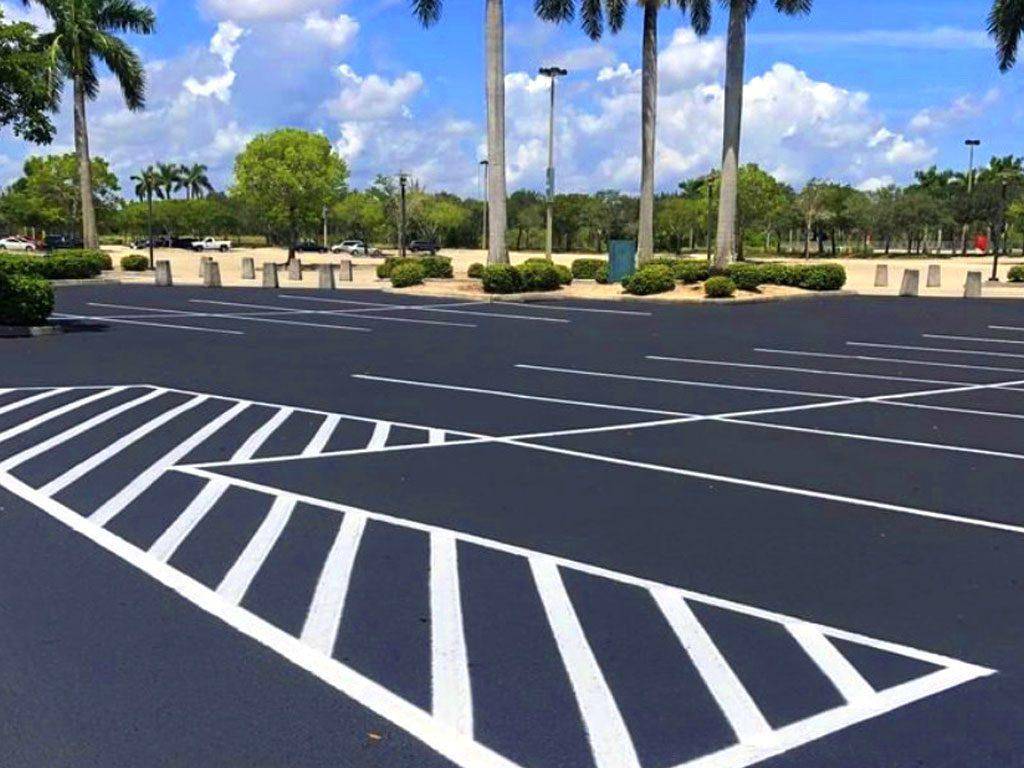
Sealcoating isn’t just about preservation—it’s also about improvement. One of the most noticeable benefits is the fresh, black appearance it provides. This cosmetic change boosts curb appeal, making a business look more inviting.
A major advantage of sealcoating is its impact on maintenance costs. Regular sealcoating can significantly extend the lifespan of a parking lot. This leads to fewer major repairs and reduced long-term expenses.
Safety is another critical aspect. A sealcoated surface improves traction, which helps prevent accidents. It also enhances the visibility of parking lot lines, contributing to better organization and safety for drivers and pedestrians.
Sealcoating aids in maintaining the parking lot’s structure. By preventing cracks and surface damage, it sustains the parking lot’s integrity. This keeps the surface smooth and free from major hazards.
Moreover, sealcoating can prolong the life of parking lot markings. Keeping lines crisp and visible ensures compliance with regulations and aids in traffic flow. Consistent markings add to the overall functionality of the parking area.
Let’s highlight some of the key benefits:
- Appearance: Provides a fresh, inviting look.
- Cost-effective: Lowers maintenance costs over time.
- Safety: Improves traction and line visibility.
- Structure: Maintains smoothness and reduces cracks.
- Functionality: Enhances marking visibility and compliance.

These benefits make sealcoating a worthy investment for property owners. It’s a proactive approach that pays dividends in safety, aesthetics, and longevity.
Cost Analysis: Sealcoating vs. Major Repairs
Investing in sealcoating is financially smarter than waiting for repairs. The costs of sealcoating are a fraction of the potential expenses for fixing serious damage. As cracks and potholes develop, repair costs skyrocket. By regularly sealcoating, property owners can avoid these high expenses.
Sealcoating is not just cost-effective—it’s cost-preventive. The protective layer it provides stops small problems from becoming large, expensive repairs. Asphalt surfaces can last years longer with regular sealcoating. This extended life reduces the need for repeated expensive interventions.
Notably, sealcoating is quicker and disrupts business operations less than major repairs. While major overhauls can cause significant downtime, sealcoating can be done efficiently with minimal impact on daily activities. This means businesses save money both directly and indirectly.
Let’s compare the two:
- Sealcoating: Low cost, regular maintenance, minimal downtime.
- Major Repairs: High cost, extensive interruption, major structural work.

In conclusion, regular sealcoating offers greater financial sense than enduring costly repairs. It preserves resources, prolongs surface life, and maintains daily operational flow.
How Often Should You Sealcoat a Parking Lot?
The recommended frequency for sealcoating a parking lot is every 2-3 years. This schedule helps maintain the asphalt’s integrity and appearance. Regular sealcoating keeps the surface protected and looking fresh.
However, several factors influence this timeline. Heavy traffic and extreme weather may necessitate more frequent applications. Parking lots in high-use areas might need attention sooner than those with less usage.
To determine the best schedule, consider these factors:
- Traffic volume and type of vehicles.
- Local climate conditions.
- The current condition of the asphalt.
Evaluating these aspects ensures optimal timing, maximizing the benefits of sealcoating and minimizing long-term costs.
The Sealcoating Process: What to Expect
Sealcoating a parking lot involves several essential steps. These steps ensure that the surface is properly protected and that the sealant adheres well. By understanding the process, you can better prepare for the work.
First, the asphalt surface must be cleaned thoroughly. Dirt, debris, and oil stains are removed to ensure a good bond. Next, any cracks or potholes are filled and repaired. This pre-sealant repair step is crucial for a lasting finish.
Once the surface is prepped, the sealant is applied. This is usually done with a squeegee or spray, depending on the area size and condition. The aim is even coverage to protect against elements.
To sum up, the sealcoating process includes:
- Cleaning the surface thoroughly.
- Repairing cracks and potholes.
- Applying the sealant evenly.

By understanding these steps, you can anticipate the work involved and ensure a smooth process. This knowledge helps manage expectations and minimize disruptions.
Common Myths and Misconceptions About Sealcoating
Many hold misconceptions about sealcoating that can lead to misguided decisions. Addressing these myths helps in making informed choices about asphalt maintenance.
One common myth is that sealcoating is just for aesthetic improvement. While it certainly enhances appearance, its benefits extend beyond looks. Protection and longevity are key reasons for its use.
Another misconception is that sealcoating can fix all asphalt damage. The truth is that it won’t repair structural issues, like deep cracks or potholes. Proper repair is needed first.
Some believe sealcoating is unnecessary or too frequent. However, regular sealcoating is an essential part of maintenance. It helps prevent expensive repairs by protecting the surface.
Let’s debunk these misconceptions:
- Sealcoating is only for looks.
- It repairs all asphalt damage.
- It’s unnecessary or too frequent.
Understanding these points ensures smarter decisions about maintaining parking lots.
When is Sealcoating Not Worth It?
While sealcoating offers many benefits, there are times it might not be the right choice. Understanding these situations can save you from unnecessary costs.
Firstly, if the asphalt is extensively damaged, sealcoating won’t solve the problems. Severe cracks and potholes require significant repairs before considering sealcoating.
Also, if your parking lot is nearing the end of its life, resurfacing may be more cost-effective. Sealcoating won’t prolong the life of asphalt that needs replacing.
Here are scenarios when sealcoating might not be advisable:
- Extensive structural damage
- Asphalt nearing the end of its life
- Inadequate preparation for application
Consider these aspects before deciding on sealcoating to ensure the best results for your lot.
Choosing the Right Contractor for Asphalt Sealcoating
Picking the right contractor is crucial for effective sealcoating. Experience and reputation are key indicators of quality.
Start by researching and comparing different contractors. Look for reviews and ask for referrals from past clients to assess their reliability.
When evaluating potential contractors, consider these factors:
- Years of experience in asphalt sealcoating
- Positive customer feedback and testimonials
- Transparent pricing with detailed quotes
Choosing a reputable contractor ensures the sealcoating process is performed correctly, enhancing the durability and appearance of your parking lot. Take the time to select the best to protect your investment effectively.
Frequently Asked Questions About Sealcoating Parking Lots
Sealcoating is a popular topic, and questions often arise. Here are some common queries and simple answers.
How long does sealcoating last?
Typically, sealcoating lasts about two to three years. Factors like traffic and weather affect its longevity.
Is sealcoating messy?
When applied by professionals, sealcoating is a clean process. They take care to minimize mess.
Does sealcoating improve traction?
Yes, sealcoating can enhance traction, which improves parking lot safety for vehicles and pedestrians.
For best results and prolonged benefits, regular maintenance and professional application are recommended.
Conclusion: Is Sealcoating a Parking Lot Worth It?
Sealcoating offers a protective layer that significantly extends the life of parking lots. This preventive maintenance reduces future costs by preventing serious asphalt issues.
By enhancing appearance and safety, sealcoating also boosts property value and attracts more customers to businesses. Investing in regular sealcoating ensures reduced risks and maintenance expenses.
Ultimately, sealcoating provides a strategic advantage in preserving asphalt surfaces. It helps maintain functionality and prolong the longevity of your parking lot. Therefore, the benefits clearly justify the investment.